Tuesday, August 16, 2016

Tomatoes - August 16th

I'm noticing a difference in the way the tomato plants look in different parts of the garden:

vs.

These are all from the same 6-packs (don't know what type they were - can't find the tags), but the ones on the right side as we come in the door are much more lush with larger leaves than the ones in the bed at the end of the U.  Perhaps the big ones are getting more sun, as the end of the U is often in the shade of the tree at the corner of the shed.  Something to think about next year.


These are the ones on the far side of the shed (Champion II).  They appear to be doing well, but not much fruit showing yet.  The leaves are always curled up, even when they're not dry.  I guess it's just the type of plant!  They're supposed to be more disease-resistant than other tomatoes, so maybe that's why.

Here are some of the varieties we put in the buckets.  We definitely need to use different soil in the buckets next year.
 These (Heat Wave) are quite tall, and have fruit on them already, where the others don't.

 This one (Celebrity) isn't really doing much yet.

 It doesn't seem like Early Girl is doing much, either.

 This is Super Sweet 100 - cherry tomatoes.  Some fruit, seems to be doing OK.  But the plants in the buckets aren't as full and dark green as the ones in the beds.  Probably the dirt.


Saturday, August 6, 2016

Dividing Lavender

Well, I may have really goofed!  Yesterday I decided to divide my oldest lavender plant.  It was planted near the yucca, and didn't have much room.  It was getting pretty big and woody, and didn't produce many flowers, so it seemed sensible to just move it.

I did.  I dug into it, removed a couple pieces, and put them into the southern front flower bed.  Then I took the rest, broke it into two big chunks, and put those in the new bed by the pampas grass.

Today I read an article that said only divide your lavender plant as a LAST RESORT!  Apparently there is a high probability of death after division.  Rats....  I guess I'll just have to wait and see what happens.  I still have the one next to the front steps, so if the older one kicks the bucket maybe I can propagate more plants from cuttings.

I wonder if I'll ever think to look things up BEFORE I do them.

Sunday, July 31, 2016

Flower Bed Update - Summer 2016


I just figured out what that flower between the Russian sage plants is.  Jupiter's Beard (red valerian).

Tomatoes - Determinate or Indeterminate?

Every year we just guess when we pick out tomatoes.  Why didn't I write down the kind we had last year?  They were terrific, and I have no clue what they were.  So THIS year I have good intentions...

First of all, I had to look up the difference between Determinate and Indeterminate tomato plants.  Apparently determinate plants are more compact and bear a crop over a short period of time.  Indeterminate plants bear fruit all season long.  They grow larger and need to be staked or caged for support.

So, I think we want to grow INDETERMINATE varieties from now on.  We can always buy a couple boxes of locally-grown tomatoes if we want to can them, and just enjoy eating our garden tomatoes all season long.

One of the varieties we planted this year was Champion II.  It's an indeterminate variety that is bred to be disease-resistant and to provide medium-sized solid meaty fruit.


Monday, May 2, 2016

Spring 2016

I've ignored this poor little blog, and now when I need information, it's not here!  So I'd better start keeping up with my gardening here so I can come back later.

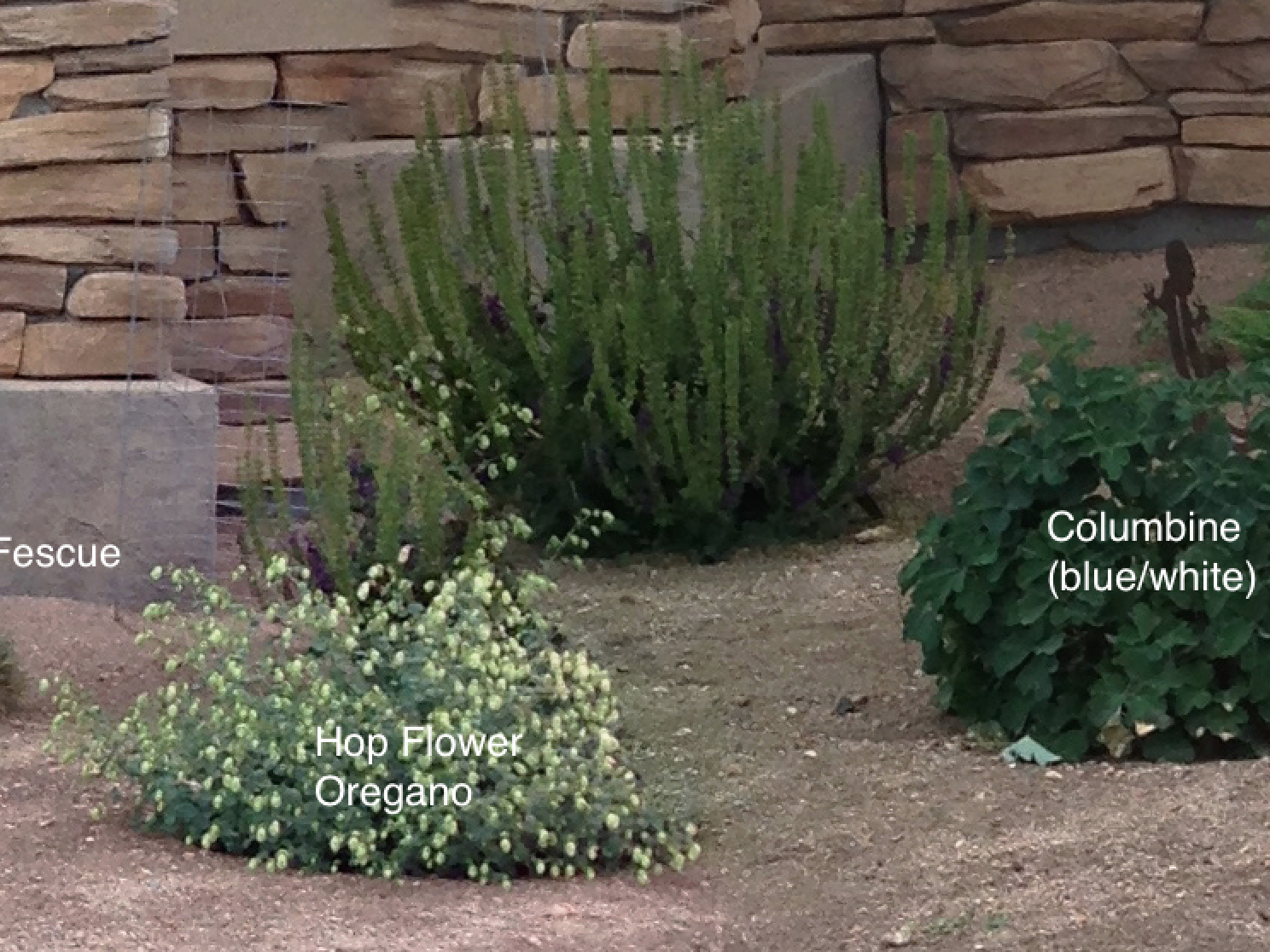
First...I want to paint the names of my herbs on stones to use as markers in the beds.  But to do that I guess I kind of need to know what herbs I have.
 

So this is a panorama I put together at one point, with labels...but it's so small I can't read the labels.  Back to the photo editor and camera, I guess.

Summer 2016 NOTE:  I moved the cat mint across the drive, over by the pampas grass, because it was getting so big it started killing the creeping juniper.  The tricolor sage and chrysanthemums are dead.  I moved the blue fescue to the front of the bed, but the rabbits eat it down to the ground.  I'm trying to move the juniper thyme to the front of the bed, as it doesn't look too good where it is now.  Also, the red/yellow columbine is over by the garage now.


Obviously, things have changed since I first planted these and took the pictures.  But this might give me some ideas of what things are when they start coming up again.

Tuesday, November 4, 2014

Notes on Herbs

Garlic Chives - divide or transplant in spring or fall

The care of garlic chives is pretty straightforward. Water as needed. Although the plants are drought tolerant, they do enjoy moist soil. Other care of garlic chives instructs fertilizing them at the start of the growing season with a slow release fertilizer.

After a long term freeze, garlic chives will often die back only to return again come springtime.
Garlic chives not only have a multitude of culinary uses, but are said to be beneficial to the digestive system, stimulate appetite, promote blood circulation, and have diuretic properties.
Clip the stems either all the way to the ground or with two inches remaining to allow the herb to grow anew.

Garlic

While the plants are green and growing, fertilize them. You will want to stop fertilizing them after they begin to “bulb-up.” If you feed your garlic too late, your garlic won’t go dormant.

The easiest way to know when to harvest garlic is simply to look at the leaves. When the leaves are 1/3 brown, you will need to start testing the bulbs to see if they are the proper size. This is easy to do. Simply loosen the dirt above one or two garlic bulbs and get an idea of their size while still keeping them in the ground. If they look large enough, then you’re ready to make your garden garlic harvest. If they are still too small, then your garlic will need to grow a bit more.

You don’t want to wait too long though. Once the leaves get to be 1/2 – 2/3 brown, you should harvest the garlic regardless of size. Putting off harvesting garlic until after the leaves are completely brown will only result in a inedible bulb. Your garden garlic harvest will normally happen some time in July or August.  Remember, dig, don't pull.

Lilacs

The bushes are hardy and require little attention, including fertilizer, except in nutrient poor regions. For those plants, rejuvenation pruning might be a better answer but you can also apply lilac plant fertilizer in spring for added health. Knowing when to feed a lilac will promote better blooms and avoid heavy foliage.

When to Feed a Lilac

Plant food helps promote better leafy growth, healthy roots and better nutrient and water uptake, as well as better blooming and production.
The ratio in fertilizer refers to NPK, which are the macronutrients a plant needs for optimum health. They are nitrogen, phosphorus and potassium. Plants with a high first number are formulated to enhance leafy growth, while phosphorus and potassium spur root health and flower and fruit production.

Fertilizing lilacs with anything but a balanced fertilizer can create excessive foliage or heavy blooms. The best lilac plant fertilizer is a closely balanced fertilizer applied when active growth is just beginning. Since lilacs are deciduous, this is in spring just as the canes begin to awaken.

How to Fertilize Lilac Shrubs

Bone meal is a great fertilizer for lilac bushes. This is because it makes soil more alkaline. It is a natural plant food easy for the lilac to intake.
Fertilizing lilacs isn’t strictly necessary except after the first and second years of planting. They may be fertilized at planting with a superphosphate and limestone to sweeten the soil and avoid excess acidity.
As long as the soil is the proper balance and there is plenty of organic matter, you can forgo traditional fertilizer mixes. Only bushes planted in poor soil will really benefit from annual feeding. Use a 5-10-10 ratio when you do feed the plants. Spread 1 cup granular food evenly around the root zone of the plant and water into the soil.

General Lilac Care

For old, poorly cared for plants that have become tangled masses of suckers, prune the bushes after bloom to rejuvenate them.


http://www.gardeningknowhow.com/ornamental/shrubs/lilac/lilac-plant-fertilizer.htm